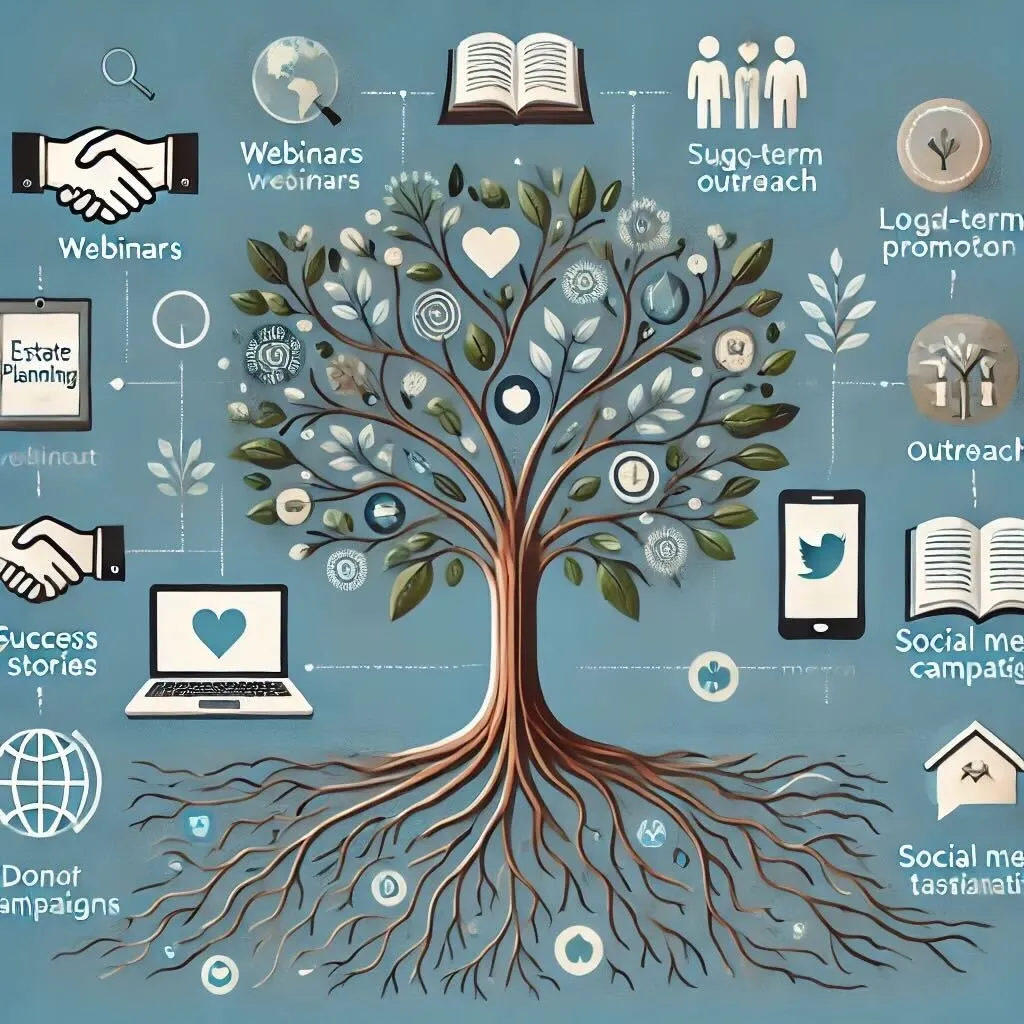
How to Promote Nonprofit Estate Planning Tools to Your Donors
Estate planning plays a crucial role in the long-term sustainability of nonprofits. Encouraging donors to include philanthropic giving in their wills and estate plans ensures continued support for charitable initiatives well into the future. However, many organizations struggle with effectively promoting estate planning tools to their donors.
Understanding the importance of estate planning for nonprofits goes beyond financial contributions—it helps secure a stable future for charitable missions. A well-executed planned giving program allows donors to leave meaningful legacies while ensuring nonprofits can continue serving their communities.
Legacy Suite Inc
Modernizing Legacy Planning for the Digital Age Legacy Suite is your easy-to-use solution that brings estate planning and digital asset security together. Manage important documents, keep your files safe, and protect your cryptocurrency. All in one place. Start your Legacy journey today! To learn more, Visit
Strategic promotion is vital in engaging donors and making estate planning a priority. Effective outreach raises awareness of planned giving opportunities while overcoming common challenges, such as donor hesitancy or misconceptions about wealth requirements for estate giving.
Why Estate Planning Matters for Donors and Nonprofits
Estate planning benefits donors by aligning their charitable giving with their legacy goals. Many individuals want their impact to extend beyond their lifetime, and providing estate planning tools makes that possible.
Planned giving has a profound financial impact on nonprofits, ensuring long-term sustainability. Nonprofits that receive legacy gifts often have a more stable financial foundation, allowing them to invest in future programs and initiatives without relying solely on annual fundraising campaigns.
Misconceptions prevent many donors from considering estate giving. Some believe that planned giving is only for the wealthy, while others assume it's complex and time-consuming. Educating donors about simple and accessible planned giving options dispels these misunderstandings.
Tax benefits can also motivate donors to participate. Many planned gifts offer estate and income tax deductions, making charitable contributions both financially and philanthropically valuable.
Identifying and Segmenting Your Donor Audience
Not all donors are the same. Understanding different donor personas helps tailor estate planning discussions. Older donors tend to be more interested in legacy giving, while younger donors may need education on estate planning fundamentals.
Segmenting donors by age, financial status, and giving history allows for targeted outreach. High-net-worth donors might require detailed planned giving strategies, whereas loyal long-term contributors may be interested in simple bequests.
Data analytics can identify potential planned giving candidates. Tracking previous donation patterns, engagement levels, and past discussions on estate planning can highlight individuals most likely to be interested.
Tailoring messaging to different donor groups is essential. Personalized communication ensures that messaging resonates with each segment, making estate planning more appealing and accessible.
Effective Communication Strategies for Estate Planning Promotion
Storytelling is a powerful way to educate donors about estate planning. Sharing real stories about individuals who left legacy gifts helps donors see the tangible impact of their contributions.
Testimonials from donors who have included nonprofits in their wills build credibility and emotional connections. Hearing firsthand experiences makes estate giving more relatable.
Using social media and digital marketing expands outreach. Engaging video content, blog articles, and social media posts can educate audiences about planned giving in a non-intrusive way.
Email campaigns and direct mail materials provide structured education about legacy giving. A well-crafted email series or an informative brochure can effectively nurture donor interest.
Hosting Workshops and Events to Educate Donors
Organizing estate planning seminars with expert speakers allows donors to receive valuable insights from legal and financial professionals while fostering trust in the nonprofit’s planned giving program.
Virtual webinars provide accessibility to a broader audience. Online sessions make it easier for donors to participate regardless of location.
Providing free estate planning resources simplifies the giving process. Toolkits, guides, and templates help donors navigate the complexities of will creation.
Q&A sessions and discussions promote engagement. Open forums allow donors to ask questions and alleviate concerns related to estate planning.
Partnering with Financial and Legal Professionals
Building relationships with estate planners, attorneys, and financial advisors lends credibility to a nonprofit’s estate planning initiatives.
Professional partnerships can lead to donor referrals, as experts may encourage their clients to consider philanthropy as part of their legacy planning.
Financial advisors and attorneys can help explain complex planned giving options, making the process more transparent for donors.
Co-hosting educational events with these professionals positions nonprofit estate planning programs as trustworthy and reliable.
Leveraging Technology for Estate Planning Engagement
Digital tools simplify the estate planning process, making planned giving more accessible. Online will-making platforms streamline the inclusion of charitable gifts.
Integration with donor management software allows nonprofits to monitor engagement, track planned giving inquiries, and strategize future outreach.
Nonprofits should maintain a dedicated estate planning section on their website with informative content to guide donors.
Measuring the Success of Your Estate Planning Promotion Efforts
Defining KPIs such as donor inquiries, engagement rates, and the number of confirmed planned gifts helps track progress.
Conducting donor surveys can assess awareness levels and provide valuable feedback.
Adjusting strategies based on data insights ensures ongoing effectiveness in estate planning promotion.
Overcoming Common Challenges in Estate Planning Promotion
Addressing donor hesitations about discussing estate planning requires sensitivity and a focus on the impact of their gifts.
Avoiding common mistakes, such as overly complex messaging, helps ensure that estate giving remains accessible and engaging.
Nonprofits must maintain compliance with legal and ethical guidelines to foster donor confidence.
Long-term stewardship is necessary to keep donor relationships strong beyond the initial planned giving discussions.
FAQs
1. Why is estate planning important for nonprofits?
Estate planning allows donors to leave a lasting legacy and provides nonprofits with long-term financial stability through planned giving contributions.
2. How can nonprofits encourage donors to consider planned giving?
Nonprofits can educate donors through storytelling, testimonials, workshops, and strategic partnerships with legal and financial professionals.
3. What are the most common types of planned gifts?
Common planned gifts include bequests, charitable remainder trusts, life insurance policies, and retirement plan beneficiary designations.
4. How can technology support estate planning promotions?
Nonprofits can use digital tools like online will-making platforms, donor management software, and website-based estate planning resources.
5. What challenges do nonprofits face in estate planning promotion?
Challenges include donor reluctance to discuss end-of-life planning, misconceptions about wealth requirements, and legal complexities.
6. What role do financial advisors play in estate planning donations?
Financial advisors can educate their clients about charitable giving options and help integrate planned gifts into long-term financial strategies.