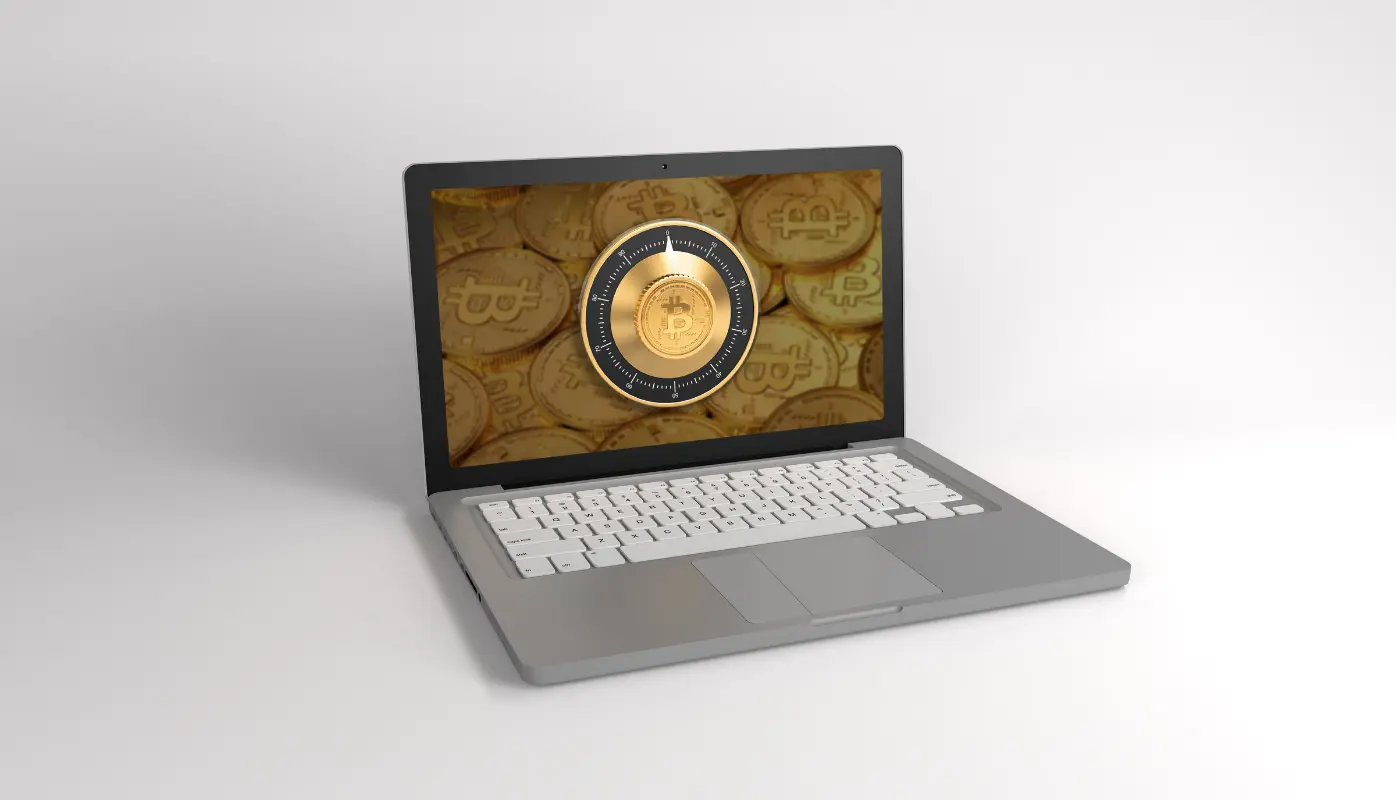
Understanding Cryptocurrency Security Risks
Cryptocurrency users often encounter various threats, such as hacks and scams, that can jeopardize their digital wealth. Hacks involve unauthorized access to users' cryptocurrency wallets or exchanges, leading to potential losses. Scams, on the other hand, often involve deceptive tactics aimed at tricking users into divulging sensitive information. Both can result in financial setbacks.
Potential vulnerabilities are not limited to external threats. Weaknesses can exist within the very infrastructure of cryptocurrency exchanges and wallets. Security breaches can occur due to insufficient encryption, flawed code, or insider threats. Staying informed about new and evolving security threats is crucial to safeguarding digital assets. In many cases, human error, such as mishandling private keys, can also lead to compromised security.
Need Help? Use Legacy Suite Inc
Modernizing Legacy Planning for the Digital Age. Legacy Suite is your easy-to-use solution that combines estate planning and digital asset security. Manage important documents, keep your files safe, and protect your cryptocurrency. All in one place. Start your Legacy journey today! To learn more, Visit. 888-578-4846
Choosing the Right Cryptocurrency Wallet
When selecting a cryptocurrency wallet, users can choose from several types: hardware, software, and paper wallets. Hardware wallets are physical devices that provide robust security by storing private keys offline. Software wallets, which can be installed on computers or mobile devices, offer convenience but require careful handling. Paper wallets involve printing your keys on paper, making them immune to online hacks, though they can be easily lost or damaged.
Hot wallets are connected to the internet, providing easy access but posing higher security risks. Cold wallets, kept offline, offer enhanced security but require more effort to access. The optimal choice depends on individual security preferences and usage patterns. Consideration must also be given to backup and recovery options, ensuring that users can restore access to their funds in case of device loss or failure.
Implementing Strong Password Practices
The significance of creating strong, unique passwords for each cryptocurrency account cannot be overstated. Using passwords that combine letters, numbers, and symbols reduces the likelihood of unauthorized access. Managing multiple passwords can be challenging, so employing a password manager can securely store and organize them, reducing the burden on users.
Two-factor authentication (2FA) adds another layer of security, requiring users to verify their identity through a secondary method, such as a text message or authentication app. Avoiding password reuse across various platforms prevents hackers from gaining access to multiple accounts with a single compromised password.
Utilizing Multi-Signature Authentication
Multi-signature wallets are an effective way to enhance security through shared control. With these wallets, multiple approvals are required to process a transaction, reducing the risk of unauthorized access. The strategy is especially beneficial for organizations or partnerships where shared access and decision-making are essential.
Scenarios such as joint ventures, family or group investments, and high-value transactions are suitable for multi-signature authentication. Selecting a reliable and experienced partner for implementing multi-signature setups is crucial to ensure effective configuration and management.
Conducting Regular Security Audits
Periodically evaluating the security of cryptocurrency holdings helps identify vulnerabilities and assess protection measures. Reviewing wallet configurations, monitoring access logs, and scanning for weak points constitute a comprehensive audit process.
Keeping wallets and software updated with the latest security patches is vital to maintain defense against known threats. As the cryptocurrency landscape evolves, users should remain vigilant to changing market conditions and emerging risks. Engaging professional security audit services can provide thorough assessments and peace of mind regarding the safety of digital assets.
Staying Informed About Regulatory Changes
Regulatory changes at both global and local levels profoundly impact cryptocurrency ownership and its security. Adhering to compliance requirements reduces the risk of legal issues and financial penalties. Keeping abreast of regulatory developments ensures readiness and adaptability.
Tracking regulatory changes, consulting with legal experts, and using reputable sources for updates provide clarity and guidance on the shifting regulations affecting cryptocurrency. This proactive approach can avert complications and support informed decision-making.
Legacy Suite Inc Business Address: 3790 El Camino Real #1121 City: Palo Alto State: CA Zip: 94306 Phone: 888-578-4846