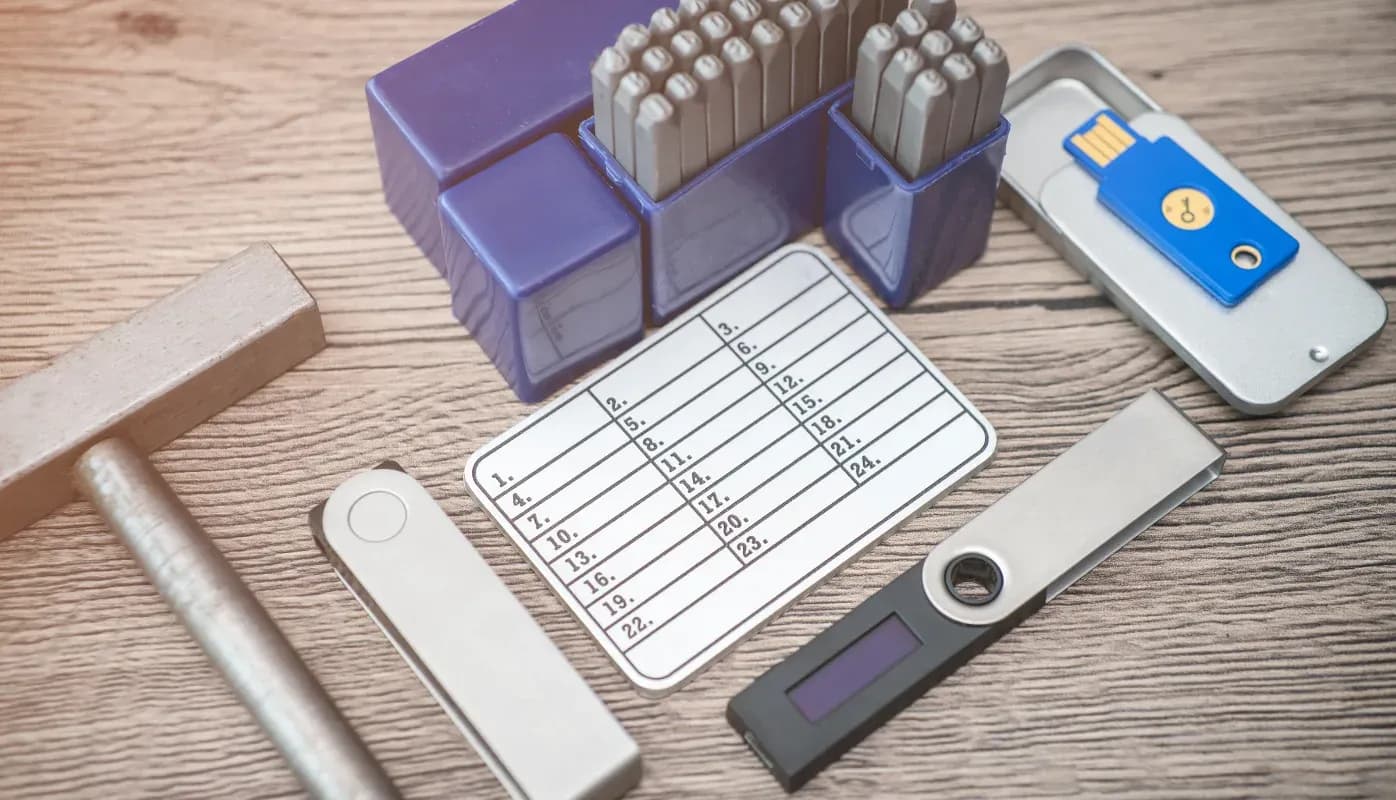
The growing popularity and adoption of cryptocurrencies have revolutionized how we think about money and investments. With billions of dollars in digital assets circulating globally, securing your crypto wallet has never been more crucial. Digital assets can become targets for cyber-attacks due to the inherent anonymity and irreversible nature of transactions.
Crypto wallets are essential for managing and storing these assets, making them appealing targets for cybercriminals. Threats like hacking, phishing, and malware attacks are rampant. Understanding the basics of a crypto wallet can help mitigate these risks. Crypto wallets are software programs or hardware devices that enable you to store and manage your digital currencies securely. They come in two primary forms: hot wallets (online) and cold wallets (offline).
Need Help? Use Legacy Suite Inc
Modernizing Legacy Planning for the Digital Age Legacy Suite is your easy-to-use solution that brings estate planning and digital asset security together. Manage important documents, keep your files safe, and protect your cryptocurrency. All in one place. Start your Legacy journey today!. To learn more, Visit. 888-578-4846
Choosing the Right Type of Crypto Wallet
Choosing the right crypto wallet is a fundamental step in securing your digital assets. Hot wallets are convenient, as they allow instant transactions and ease of access. However, they are more vulnerable to online attacks because they are always connected to the internet.
Cold wallets, on the other hand, offer superior security by storing your assets offline. Hardware wallets are among the most secure cold storage options, featuring encrypted microcontrollers and advanced security protocols. They are resistant to malware and cyber-attacks, making them an excellent choice for long-term storage.
Paper wallets are another cold storage option, involving printing out your private keys on paper. While this method ensures your keys remain offline, losing or damaging the paper can result in a total loss of access to your funds.
For added security, consider multi-signature (multi-sig) wallets, which require multiple private keys to authorize a transaction. This extra layer of protection can guard against unauthorized access and fraud.
Best Practices for Securing Your Crypto Wallet
Security starts with using strong, unique passwords for your wallet. A mix of upper and lowercase letters, numbers, and special characters can make your password harder to crack. Enabling two-factor authentication (2FA) adds an extra security layer, ensuring that even if your password is compromised, the attacker cannot access your wallet without a second verification step.
Regularly updating your wallet software is crucial, as updates often include patches for newly discovered vulnerabilities. Avoiding public Wi-Fi for transactions can also reduce the risk of interception by malicious actors. Always use a secure, private internet connection when accessing your wallet.
Keeping backup copies of recovery phrases in multiple secure locations ensures you can recover your wallet if you lose access. Monitoring wallet activity regularly can help you detect and respond to unauthorized transactions promptly.
Recognizing and Avoiding Common Scams
Phishing attacks are a frequent threat in the crypto world. Be cautious of emails or messages asking for your personal information or private keys. Verify the source before clicking any links or providing sensitive information.
Social engineering scams involve tricking you into giving up your security information. Stay vigilant and skeptical of unsolicited contacts requesting your details. Fake wallet applications that mimic legitimate ones can also trick you into inputting your private keys. Only download wallet apps from trusted sources.
Ponzi schemes and fraudulent investment platforms can lure you with promises of high returns on your cryptocurrencies. Avoid schemes that sound too good to be true. Verifying URLs and software sources before initiating any transaction is essential to avoid malware and fraud.
Advanced Security Measures
For significant investments, hardware wallets offer the most robust security. They store your private keys offline, making them immune to online threats. Using a dedicated device exclusively for crypto transactions can further minimize exposure to malware.
Implementing multi-sig wallets ensures multiple private keys are required for transactions, adding another security layer for higher-value wallets. Using secure elements and trusted execution environments can provide further safeguards for your digital assets.
It’s wise to keep only a small amount of crypto in hot wallets for daily transactions and the majority in cold storage for long-term security. This practice reduces the risk of substantial losses in case of a security breach.
Dealing with Lost or Compromised Wallets
If your wallet is compromised, act immediately by moving your assets to a secure wallet. Follow the procedure to restore from backup securely. Most wallets offer support teams to assist with security issues and restoring access.
Legal considerations, like reporting the theft, can help track down the culprits and potentially recover your assets. Learning from past mistakes and continuously improving your wallet security can prevent future incidents.
Final Thoughts and Recommendations
Summarizing key security tips includes using strong passwords, enabling 2FA, avoiding suspicious links, regularly updating software, and opting for cold storage for significant investments. Stay informed about new threats and security trends, and prioritize continuous education and caution when dealing with cryptocurrencies.
Encourage responsible crypto ownership by remaining vigilant and proactive in securing your assets. For more detailed guidance and support, explore available resources and consider consulting experts.
Legacy Suite Inc Business Address: 3790 El Camino Real #1121 City: Palo Alto State: CA Zip: 94306 Phone: 888-578-4846