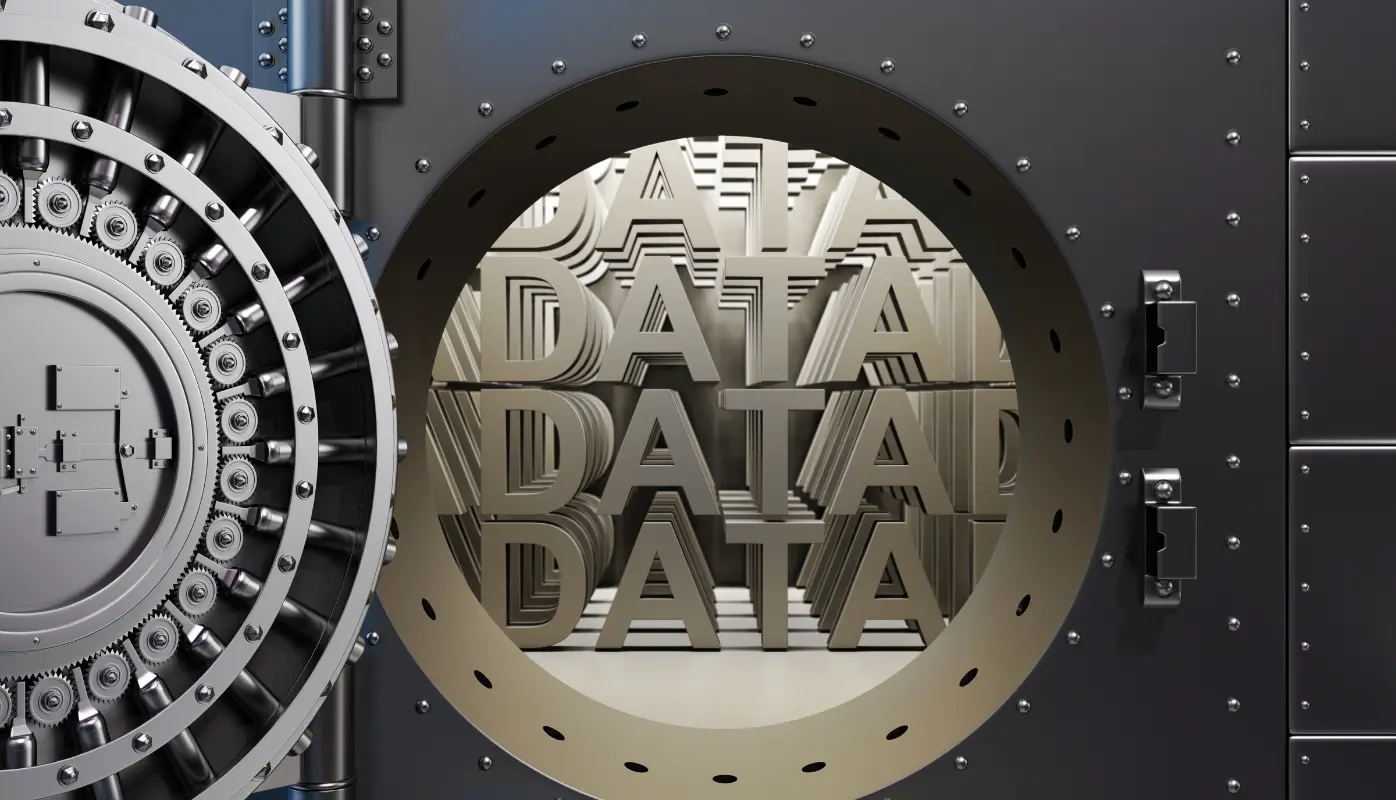
Data Vault is a data warehousing methodology designed to handle large-scale and complex data integration projects. Its core components are hubs, links, and satellites. Hubs store unique business keys, links establish relationships between these keys, and satellites capture the contextual and descriptive data. The system is known for its scalability, flexibility, and ability to store historical data efficiently.
The Data Vault concept was introduced in the 1990s by Dan Linstedt. Since then, it has evolved to address some of the limitations of traditional warehousing techniques like star and snowflake schemas. Unlike these older models, Data Vault can handle rapid changes in data and requirements without disrupting existing data structures.
Comparing Data Vault with traditional warehousing techniques reveals some key differences. Traditional systems often struggle with flexibility and historical data tracking, whereas Data Vault excels in these areas. The benefits of adopting Data Vault are evident: enhanced scalability, superior data integration, and robust data governance.
Need Help? Use Legacy Suite Inc
Modernizing Legacy Planning for the Digital Age Legacy Suite is your easy-to-use solution that combines estate planning and digital asset security. Manage important documents, keep your files safe, and protect your cryptocurrency. All in one place. Start your Legacy journey today! To learn more, Visit. 888-578-4846
Strategic Benefits of Using a Data Vault
One of the standout advantages of Data Vault is enhanced data integration and scalability. By separating the data ingestion and business logic layers, teams can inject data from different sources without worrying about scaling issues. This makes Data Vault an ideal choice for growing organizations.
Improved agility and flexibility in data modeling mean that adjustments to data structures are more straightforward. Unlike conventional models, where changes can be disruptive, Data Vault accommodates new requirements seamlessly, making it easier for businesses to adapt to evolving data needs.
Data consistency and historical accuracy are other significant benefits. The Vault’s data storage method ensures that all data versions are stored, enabling retrospective analysis and ensuring sound decision-making. These features make Data Vault particularly valuable for compliance and audit requirements.
Lastly, Data Vault is cost-effective. Streamlined data processes reduce redundant data storage and eliminate the need for expensive, extensive re-writes of business logic, significantly cutting down operational costs.
Operational Advantages
Data Vault simplifies ETL (Extract, Transform, Load) processes and reduces development time. ETL becomes more efficient, allowing your team to focus on higher-value tasks rather than complicated data transformations. This results in faster project delivery and lower operational costs.
Adapting to changing business requirements is easier. The methodology’s flexibility allows for quick modifications without affecting the entire system, ensuring that your data warehouse remains operational under various conditions.
Robust auditing and data lineage capabilities provide a detailed historical record of data changes. This feature is especially crucial for industries subject to regulatory scrutiny, ensuring transparency and governance.
Increased data quality and reduced redundancy are key operational benefits. By ensuring that only clean, consistent data enters the system, Data Vault provides reliable information for business analytics and operational decisions.
Data Vault and Business Intelligence
The architecture supports near real-time data processing and analytics. Businesses can analyze up-to-date data quickly, enabling timely decisions that can make a significant impact.
Facilitating a Single Source of Truth (SSOT), Data Vault ensures that all data across different business units and applications is unified and consistent. This eliminates discrepancies and provides a solid foundation for data-driven strategies.
The methodology also enhances predictive analytics and machine learning capabilities. By storing raw, historical data, Data Vault provides a rich dataset for training models, enabling more accurate predictions.
Integration with existing Business Intelligence (BI) tools and platforms is seamless. Many modern BI tools can interface with Data Vault, providing businesses with flexible and robust analytics solutions.
Implementation Considerations
Setting up a Data Vault architecture involves several key steps: data modeling, ETL design, and integration planning. Start by focusing on identifying business keys and creating hubs, links, and satellites.
Best practices for successful implementation include clear documentation, stakeholder engagement, and continuous testing. These elements ensure that the Data Vault meets business needs and can evolve over time.
Common challenges include data quality issues and the learning curve associated with the methodology. Overcome these hurdles through training, effective data governance, and leveraging expert guidance.
The importance of training and stakeholder buy-in cannot be overstated. Proper training ensures that your team is well-versed in the methodology, while stakeholder engagement guarantees alignment with business objectives.
Case Studies and Real-world Applications
Several companies have successfully implemented Data Vault. For instance, a multinational bank used the methodology to streamline its complex data landscape, resulting in better compliance and faster reporting.
Organizations across various industries have solved specific business problems with Data Vault, from regulatory compliance to improving operational efficiency. These successes showcase the versatility and effectiveness of the Data Vault approach.
ROI and performance metrics from these cases often show significant improvements in data processing speed, storage efficiency, and decision-making capabilities. Many businesses report a positive return on investment within the first year of implementation.
Lessons learned from real-world implementations include the importance of robust data governance policies, the value of continuous training, and the necessity of involving end-users early in the process. These insights can guide your organization in overcoming potential hurdles.
Future Trends and Innovations in Data Vault
Emerging technologies like blockchain and edge computing are complementing Data Vault, providing additional layers of data security and processing capabilities. These advancements expand the methodology's potential applications.
Automation and AI integration are on the rise, making Data Vault implementations more efficient and intelligent. These advancements reduce manual effort and enhance data accuracy and processing speed.
Cloud computing plays a significant role in modern Data Vault implementations. Cloud services offer scalable resources and advanced analytics capabilities, making it easier to set up and manage a Data Vault ecosystem.
Predictions for the evolution of Data Vault methodologies suggest a continued focus on scalability, flexibility, and automation. These trends promise to make Data Vault even more accessible and valuable for businesses of all sizes.
Legacy Suite Inc Business Address: 3790 El Camino Real #1121 City: Palo Alto State: CA Zip: 94306 Phone: 888-578-4846