
In today's fast-paced world, digital wallets have become essential to our daily lives. From shopping online to in-store purchases, digital wallets have revolutionized how we make transactions. As a result, everything is going digital, including how we handle our money.
Digital wallets are also highly flexible. You can link multiple payment methods to your account, including credit and debit cards, bank accounts, and cryptocurrency. This makes it easy to manage all your money in one place and switch between payment methods depending on your needs. Many different types of digital wallets are available, including mobile wallets, online wallets, and hardware wallets.
Digital wallets are becoming increasingly popular, and for a good reason. They offer convenience, security, and flexibility that traditional wallets simply can't match.
Basics
A digital wallet, or an e-wallet, is a virtual wallet that stores payment information and allows users to make purchases without needing physical cash or credit cards. Instead, the wallet can be accessed through a mobile app, and users can link their credit or debit cards to the wallet for easy payments. The digital wallet can also store loyalty cards, boarding passes, and other forms of digital identification.
Digital wallets offer a range of benefits to users. First, they provide a secure way to make payments, as the user's personal and financial information is encrypted and stored securely. In addition, digital wallets are convenient and easy to use, allowing users to make payments with just a few taps on their mobile devices. Finally, they also offer a fast and efficient way to make transactions, as users do not need to carry cash or search for credit cards in their wallets.
Another popular type of digital wallet is the mobile wallet. Mobile wallets are built into smartphones, allowing users to pay using mobile devices. Mobile wallets offer a range of benefits, including convenience, security, and speed. Some popular mobile wallets include Apple Pay, Google Pay, and Samsung Pay.
The best digital wallet for you depends on your personal preferences and needs. Some popular digital wallets include PayPal, Venmo, and Square Cash. Each wallet offers unique features and benefits, so it's important to research and compare different options to find the one that's right for you.
Flowing Millions
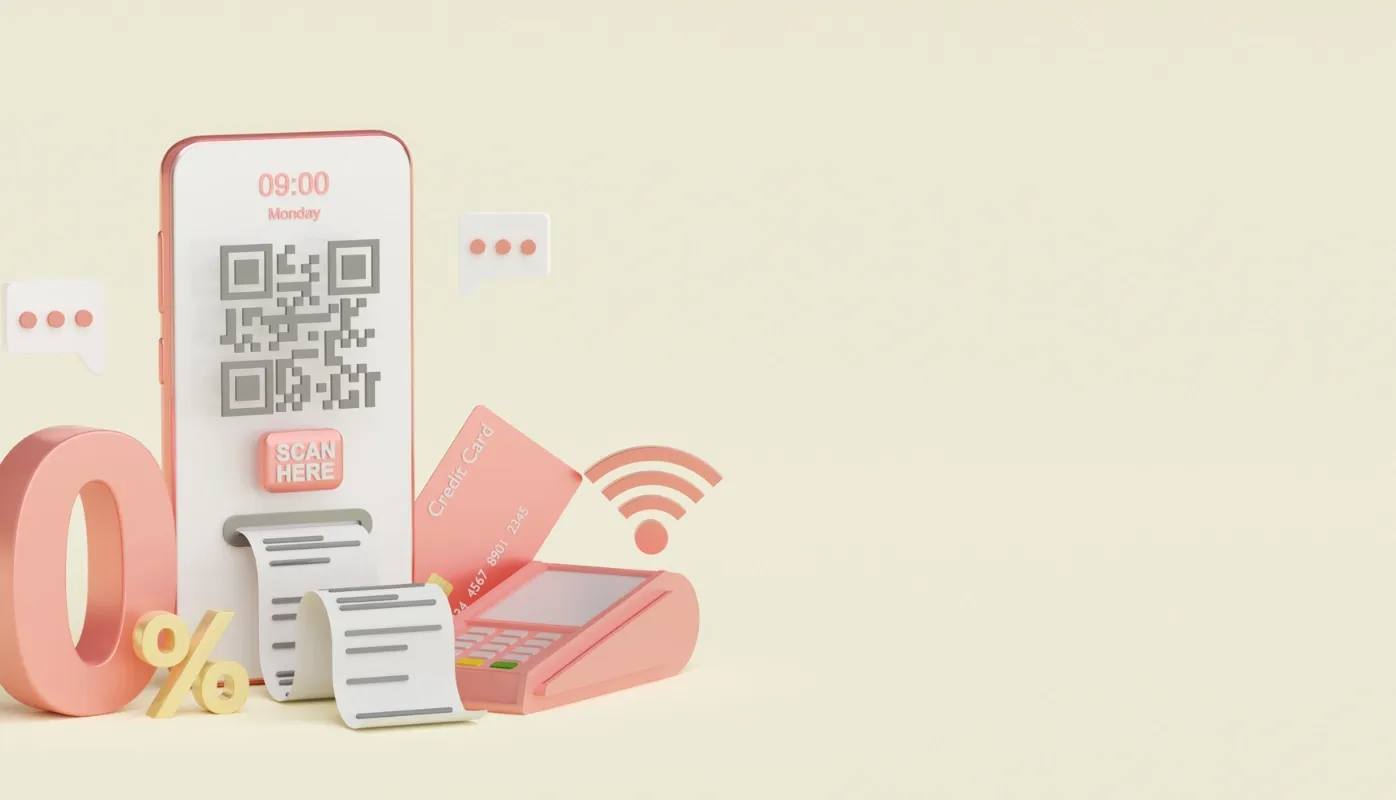
Digital wallets store payment information and allow users to make payments using their mobile devices. When a user makes a payment, the payment information is encrypted and transmitted securely to the merchant. Then, the payment is processed and completed, and the user receives a transaction confirmation.
First, a digital wallet is usually accessed through a mobile app or website. Next, users create an account and link it to their bank or credit cards. Once the account is set up, users can add funds to their digital wallet by transferring money from their bank account or credit card. This money can then be used to make purchases or transfer funds electronically.
When a user purchases using a digital wallet, the app or website requests the merchant's payment system to complete the transaction. The payment system then requests the user's digital wallet provider to authorize the transaction. If the transaction is approved, the digital wallet provider deducts the amount from the user's account and sends it to the merchant's account.
Encapsulation Art In Digital Wallets
NFTs, or non-fungible tokens, are unique digital assets becoming increasingly popular in the digital world. They allow people to own and trade digital assets such as art, music, and videos. With the rise of NFTs, it's important to have a secure and reliable digital wallet to store and manage these assets.
A digital wallet designed for NFTs should have a user-friendly interface that makes managing and transferring digital assets easy. It should also have a high level of security to protect the valuable NFTs stored within. Many NFT wallets also have a built-in marketplace, allowing users to buy and sell NFTs directly within the wallet.
One popular digital wallet for NFTs is MetaMask, a browser extension that allows users to securely store, manage, and trade their NFTs. It also supports a wide range of cryptocurrencies, making it a versatile option for digital asset management. Another option is the Ledger Nano S, a hardware wallet that offers top-level security for NFT storage. In addition, it lets users keep their NFTs offline, protecting them from hackers and other online threats. A digital wallet designed for NFTs should prioritize security, user-friendliness, and accessibility. With the growing popularity of NFTs, having a reliable digital wallet is crucial for anyone looking to invest in and manage these unique digital assets.
Identity & Security
Some digital wallets allow users to store government-issued identification, such as driver's licenses and passports. This feature can be useful for travelers, allowing them to carry their identification securely and conveniently.
Like any digital technology, digital wallets can be vulnerable to hacking and cyber-attacks. However, digital wallets use advanced encryption technology to protect users' personal and financial information. Therefore, using strong passwords and other security measures to protect your digital wallet from unauthorized access is important.
Cruising Blockchain Digital Wallet
Digital wallet blockchain is a revolutionary technology that has changed how we use digital wallets. Blockchain technology is a decentralized system that allows for secure and transparent transactions without intermediaries. In simple terms, a digital wallet blockchain is a digital wallet that utilizes blockchain technology to ensure security, transparency, and immutability in transactions. When a user initiates a transaction using a digital wallet blockchain, the transaction is recorded on a distributed ledger called a blockchain.
The blockchain is a decentralized database maintained by a network of computers, making it almost impossible to tamper with or hack. In addition, each transaction on the blockchain is verified by a network of nodes, ensuring that the transaction is legitimate and that the funds being transferred are owned by the user initiating the transaction.
The digital wallet blockchain can hold various cryptocurrencies, including Bitcoin, Ethereum, Litecoin, etc. When a user sends or receives cryptocurrencies using a digital wallet blockchain, the transaction is validated by the network and recorded on the blockchain.
One of the most significant benefits of using a digital wallet blockchain is that it eliminates the need for intermediaries such as banks and other financial institutions. This means that transactions can be completed faster, with lower fees, and without third-party approvals.
Punching In
Digital wallets are a crucial component of modern financial transactions. From convenience to security, digital wallets offer a range of benefits that make them an increasingly popular choice for consumers. With the rise of NFTs and other unique digital assets, having a secure and reliable digital wallet has never been more important. Whether you're using a mobile wallet or a hardware wallet, choosing the right digital wallet for your needs can help you make the most of your digital assets while keeping them safe and secure.